StylopediaStylopedia

18th century styles on Stylopedia

A visual encyclopedia of 18th century styles – use as prompt inspiration for Midjourney, Gemini, or ChatGPT AI when making 18th century images

Example of visual style of Andre Charles Boulle

Andre Charles Boulle

Andre Charles Boulle is a style that emerged in the late 17th century and was popular in the 18th century. It is named after the French cabinetmaker Andre Charles Boulle. This style is famous for its intricate marquetry work, particularly in the form of furniture and decorative objects. Boulle utilized the technique of using layers of contrasting materials such as tortoiseshell, brass, and pewter to create intricate patterns and designs. This style became synonymous with luxury and wealth, and its popularity spread throughout Europe.

View StyleExplore Style
Example of visual style of Barry Lyndon

Barry Lyndon

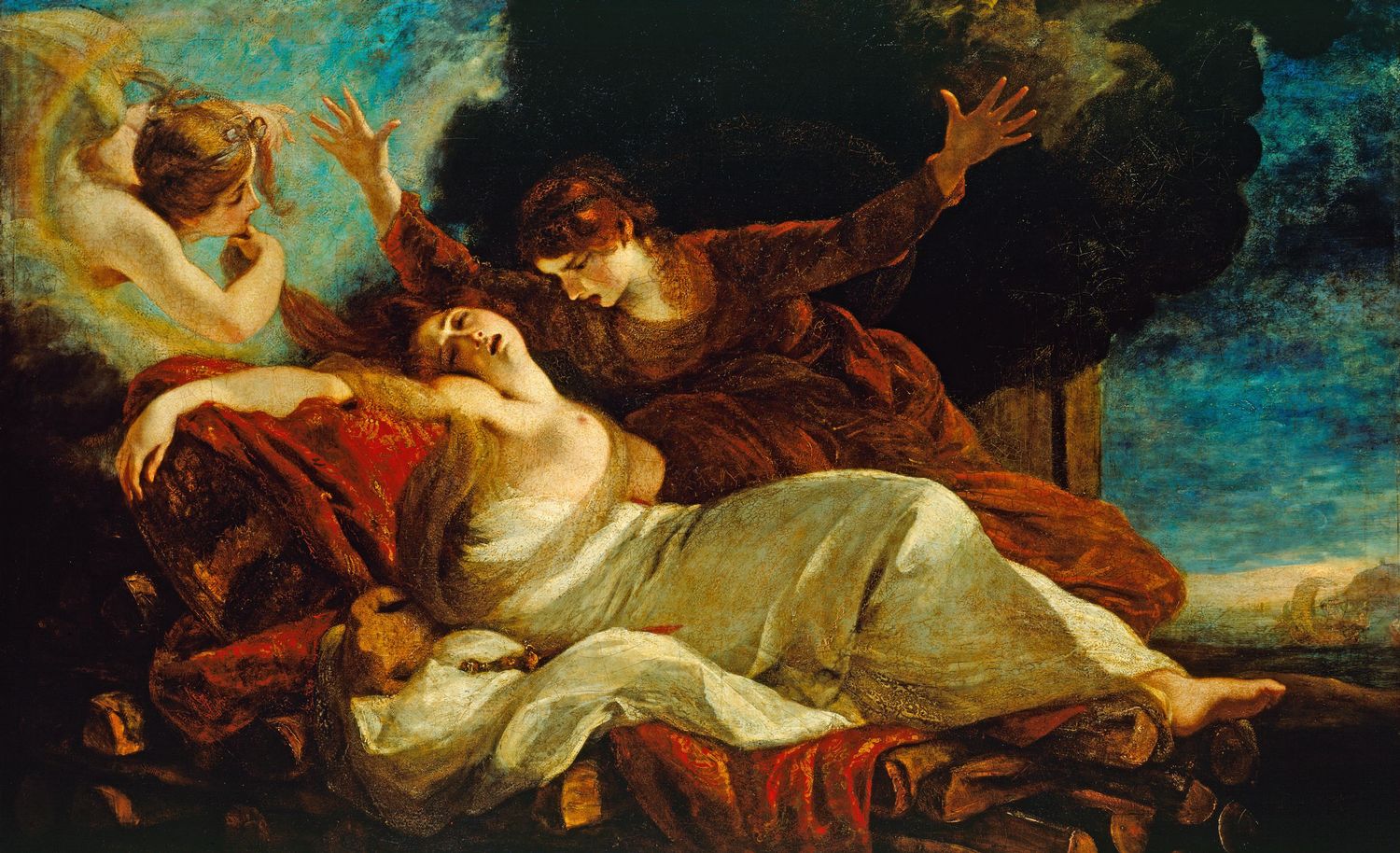
Barry Lyndon is a visual style showcased in the 1975 film directed by Stanley Kubrick. The style is characterized by its meticulously composed and lit scenes, reminiscent of 18th-century paintings. Kubrick used natural lighting and candles to create a painterly aesthetic, emulating the works of artists like Thomas Gainsborough and Jean-Baptiste-Siméon Chardin. The film's attention to detail and historical accuracy, along with its narrative of a young Irish rogue's rise and fall, contributed to its fame.

View StyleExplore Style
Example of visual style of Chardin

Chardin

Chardin is a style of painting that emerged in France in the 18th century. It is named after the artist Jean-Baptiste-Siméon Chardin, who is considered one of the greatest exponents of this style. Chardin's paintings are known for their remarkable attention to detail and their ability to capture the beauty of everyday objects and scenes. His works often depict still lifes, genre scenes, and domestic interiors. Chardin achieved fame and recognition for his distinctive use of light, subtle color palette, and masterful technique. His paintings became revered for their emotional depth and realistic portrayal of the material world.

View StyleExplore Style
Example of visual style of Eisen

Eisen

Eisen is a visual style that emerged during the 18th century in France. It is named after the French painter and engraver Charles Eisen. The style became famous for its delicate and ornate illustrations and engravings. Eisen's works often depicted scenes from literature, fashion, and everyday life. The style reached its peak popularity during the Rococo period, around the years 1730 to 1760. Eisen's intricate designs and attention to detail made him a prominent figure in the art world of that time.

View StyleExplore Style
Example of visual style of Jean Baptiste Huet

Jean Baptiste Huet

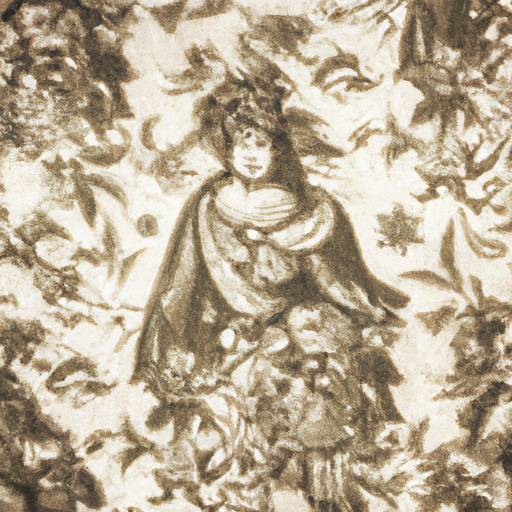
Jean Baptiste Huet was a French painter and designer who lived from 1745 to 1811. He was known for his delicate and charming Rococo style, which became famous during the late 18th century. Huet's works often featured pastoral scenes, with an emphasis on nature, landscapes, and animals. His paintings were characterized by their soft color palette, graceful compositions, and intricate details. Huet's work became highly sought after and was popularized due to its romanticized depictions of the countryside, which resonated with the growing appreciation for idyllic rural life during that time.

View StyleExplore Style
Example of visual style of Jean Henri Riesener

Jean Henri Riesener

Jean Henri Riesener is a style of furniture named after the renowned 18th-century French cabinetmaker. This style, prevalent from the mid-1700s to the early 1800s, is characterized by its exquisite craftsmanship, luxurious materials, and elegant designs. Riesener's furniture became famous for its exceptional quality, ornate decorative elements, and rich wood veneers. His creations often featured intricate marquetry, gilded bronze mounts, and elaborate carved motifs, showcasing the refined taste and opulent aesthetic of the French aristocracy during the reigns of Louis XVI and Marie Antoinette.

View StyleExplore Style
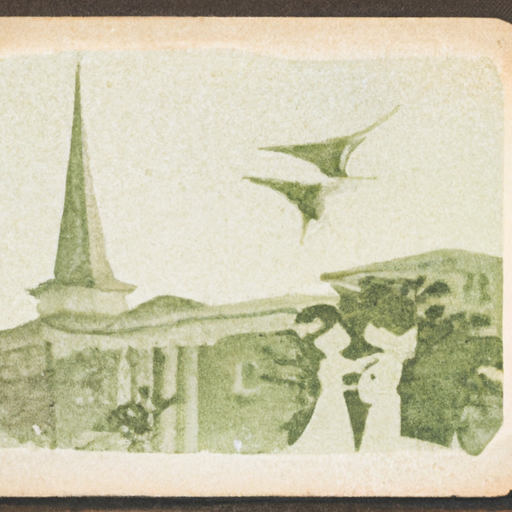
Example of visual style of King Louis XVI

King Louis XVI

King Louis XVI was a visual style that emerged during the late 18th century in France, particularly during the reign of King Louis XVI from 1774 to 1792. This style was known for its opulence, extravagance, and grandeur. It was inspired by the Neoclassical aesthetic and influenced by the Rococo style that preceded it. King Louis XVI style gained popularity through its association with the French monarchy and its lavishness, as well as being a reaction to the simplicity and restraint of the Enlightenment period.

View StyleExplore Style
Example of visual style of Madame De Pompadour

Madame De Pompadour

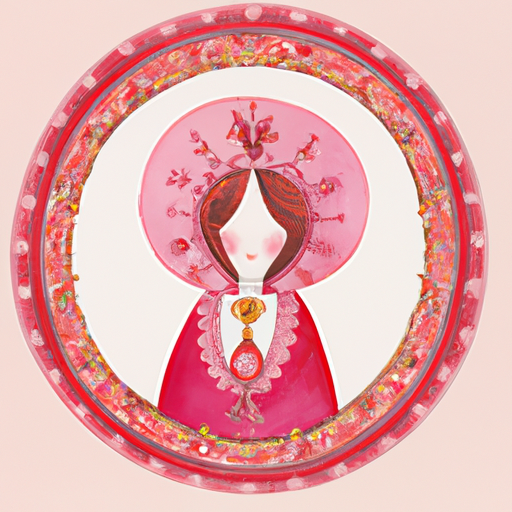
Madame De Pompadour is a visual style that emerged during the 18th century in France, particularly during the reign of Louis XV. It is named after Jeanne-Antoinette Poisson, Marquise de Pompadour, who was the official chief mistress of Louis XV and a prominent patroness of the arts. This style is characterized by its lavishness, opulence, and rococo aesthetics. It is famous for its intricate ornamentation, delicate pastel colors, and asymmetrical designs. The style reached its peak in the mid-18th century and was widely used in interior design, fashion, and decorative arts.

View StyleExplore Style
Example of visual style of Thomas Chippendale

Thomas Chippendale

Thomas Chippendale was an 18th-century English cabinetmaker and furniture designer. He was highly influential in the development of the Neoclassical style. Chippendale's style is characterized by a fusion of Rococo and Gothic design elements, with intricate carvings, delicate curves, and ornate details. His furniture pieces were often made from mahogany and featured distinctive motifs such as cabriole legs, Chinese-style fretwork, and Gothic-inspired arches. Chippendale's designs became famous not only for their craftsmanship but also for their versatility, as he provided pattern books that allowed customers to choose from a wide range of designs and customize furniture to their preferences.

View StyleExplore Style
Example of visual style of Tshsai Sharaku

Tshsai Sharaku

Tshsai Sharaku is a style of woodblock print that emerged in Japan during the late 18th century. It is known for its striking and unconventional portraits of kabuki actors. The style was popular for a brief period, from 1794 to 1795, and then disappeared for nearly two centuries. The distinctive features of Tshsai Sharaku prints are exaggerated facial expressions, exaggerated body proportions, and a focus on capturing the unique characteristics and emotions of the actors. The style gained fame due to its bold and stylized approach to portraiture, and it remains highly regarded in the history of Japanese art.

View StyleExplore Style
Home