StylopediaStylopedia

16th century styles on Stylopedia

A visual encyclopedia of 16th century styles – use as prompt inspiration for Midjourney, Gemini, or ChatGPT AI when making 16th century images

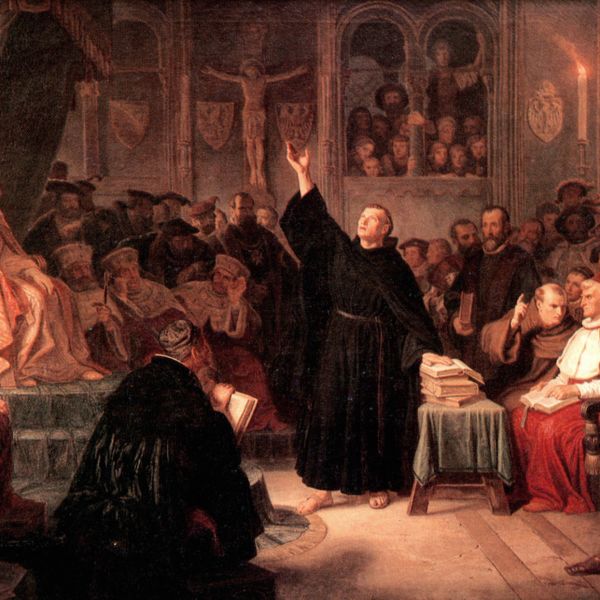
Example of visual style of Court Nobles

Court Nobles

Court Nobles is a visual style that emerged during the Renaissance in Europe, particularly in the 16th and 17th centuries. This style was predominantly associated with the aristocratic class and the royal courts of the time. Court Nobles became famous for its lavish and opulent aesthetics, characterized by ornate details, rich colors, and luxurious materials. It reflected the wealth and prestige of the ruling class, showcasing their power and grandeur through the visual arts and fashion.

View StyleExplore Style
Example of visual style of Early Netherlandish Painting

Early Netherlandish Painting

Early Netherlandish Painting refers to the art movement that emerged in the Low Countries (current-day Netherlands and Belgium) during the 15th and 16th centuries. Characterized by meticulous attention to detail, rich colors, and naturalistic representation, this style revolutionized painting techniques of the time. It gained fame for its innovative use of oil paint, which allowed for greater depth and luminosity in the artworks. The artists of this period often depicted religious subjects, landscapes, and portraits, portraying them with a high level of realism.

View StyleExplore Style
Example of visual style of El Greco

El Greco

El Greco, born Doménikos Theotokópoulos, was a Greek painter in the 16th century known for his unique visual style. His style is characterized by elongated figures, intense and often exaggerated expressions, and vibrant use of colors. El Greco's paintings are famous for their spiritual and religious themes, particularly his religious portraits and altarpieces. His style became widely recognized during the Spanish Renaissance, and he is considered as one of the most important figures of the Spanish Golden Age of painting.

View StyleExplore Style
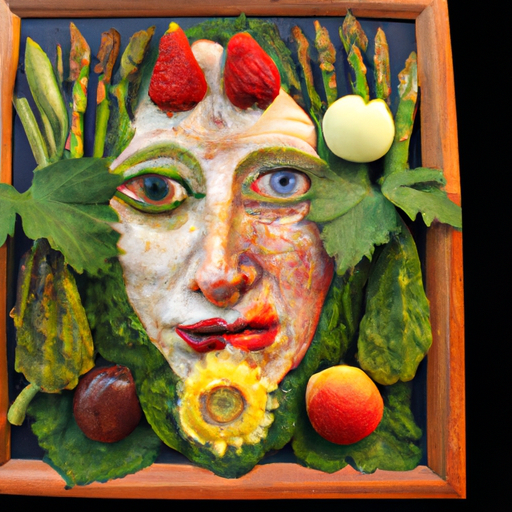
Example of visual style of Giuseppe Arcimboldo

Giuseppe Arcimboldo

Giuseppe Arcimboldo was an Italian painter known for his imaginative and unique style, often referred to as 'composite portraiture'. He rose to fame during the late 16th century in Renaissance Europe. Arcimboldo's distinctive artistic approach involved creating portraits by assembling various objects such as fruits, vegetables, flowers, and even books, into human forms. This experimental technique challenged traditional portraiture and showcased his exceptional creativity and skill.

View StyleExplore Style
Example of visual style of Nur Jahan

Nur Jahan

Nur Jahan is a Mughal visual style that emerged in the late 16th century and continued through the early 17th century in the Mughal Empire of South Asia. It is named after Empress Nur Jahan, who was a powerful and influential figure during the reign of Emperor Jahangir. This style is characterized by its intricate and delicate craftsmanship, vibrant colors, and fusion of Persian and Indian artistic elements. It is famous for its exquisite miniature paintings, floral motifs, and the depiction of royal courts and gardens. Nur Jahan's patronage of the arts and her emphasis on luxury and refinement greatly contributed to the popularity and recognition of this visual style.

View StyleExplore Style
Home